From Zero to First Whistle: A Practical Blueprint for Launching a Team Out of Thin Air
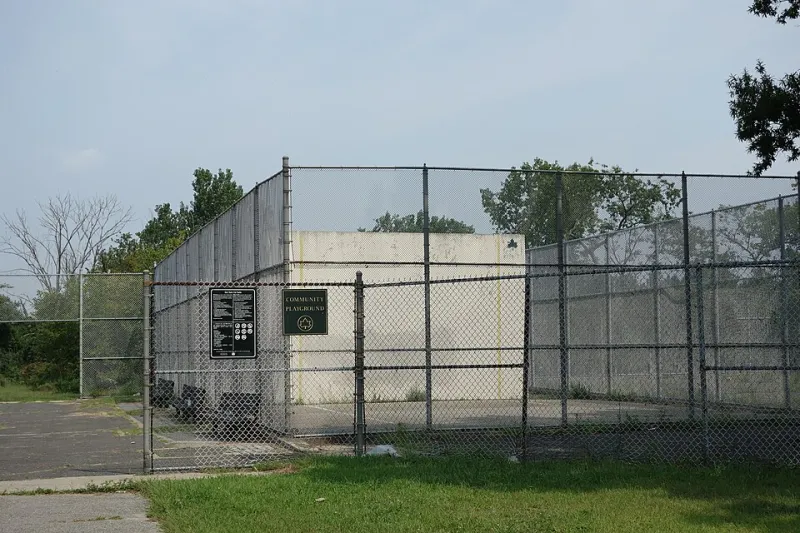
Photo: Tdorante10, CC BY-SA 4.0, via Wikimedia Commons
Most teams that fail do so not because of a shortage of talent or enthusiasm, but because of a shortage of structure. The coach who never filed for field permits, the league that never secured insurance, the club that dissolved over an unrecorded treasury — these are governance failures, and they are almost entirely preventable. If you want to start a team from nothing, the good news is that nothing is a workable starting point, provided you build in the right order.
Step One: Define the Entity Before the Roster
Before recruiting a single player, decide what you are building. A pickup group meeting weekly at a public park needs almost no formal structure. A team that will enter a league, handle money, or carry equipment needs at minimum a name, a point of contact, and a written set of basic rules. A league or club with ambitions of growth should consider forming a nonprofit corporation in your state and applying for federal 501(c)(3) status — a process that costs a few hundred dollars and unlocks insurance rates, grant eligibility, and tax-deductible donations.
Draft a one-page charter covering three questions: Who makes decisions? Who controls the money? Who can speak for the organization? Ambiguity on any of these is the seed of every later dispute.
Step Two: Insurance and Permits — the Unglamorous Non-Negotiables
Nothing ends a first season faster than a liability claim or a police-escorted eviction from a public field. Two protections come first:
- General liability insurance. National governing bodies — US Youth Soccer, Little League, USA Ultimate, USA Rugby, and their counterparts in nearly every sport — offer affiliate programs that bundle secondary accident and liability coverage with registration. Annual premiums for small teams are often surprisingly modest, and affiliation brings a second benefit covered below.
- Facility permits. Most municipal parks departments require a permitted reservation for organized use of fields and courts. Contact the department early; many run seasonal permit windows, and popular slots go quickly. Fees for community groups are frequently reduced or waived — but only if you ask and can show your organizational paperwork.
Step Three: Recruit Humans, Not Athletes
New organizers routinely overestimate the athletic bar and underestimate the social one. People join startup teams for connection first, competition second. Cast a wide net: community bulletin boards, library postings, workplace channels, neighborhood social media groups, and — most effective of all — personal invitations. A recruitment post reaches strangers; a personal ask recruits a teammate.
Set a modest initial target. Eight to twelve committed participants is enough for most recreational formats, and small groups are easier to schedule, transport, and unify. Grow from a functioning core rather than a chaotic crowd.
Step Four: Find Space on a Shoestring
Formal fields are expensive; alternative space is not. Consider school district property (many districts rent or grant after-hours use to community organizations), church and community-center gyms, corporate campuses with open grounds, and shared-use arrangements with existing teams willing to trade time slots. Off-hours scheduling — early mornings, midday weekends — routinely cuts permit costs dramatically.
Step Five: Borrow the Skeleton of the Sport
This is where affiliation with a national governing body pays off twice. Governing bodies publish starter toolkits — sample bylaws, rulebooks, background-check protocols for youth programs, coaching certification courses, and grant programs specifically for new organizations. Several offer equipment grants or discounted starter kits for first-year affiliates. You are not the first person to attempt this; the institutional knowledge already exists, usually for the price of an annual membership.
Step Six: Schedule, Play, Record
Set a fixed schedule and hold it. Consistency, not quality of play, determines whether a new team survives its first season. Keep simple written records — attendance, expenses, decisions made — from day one. And after the first game, however lopsided, gather the group and ask what to change. A team that governs itself with even minimal care is a team that will still exist next year.
Starting from nothing is not a disadvantage. It is a clean slate — and with the right structure underneath it, the first whistle you blow will not be the last.