When the Community Owns the Team: A New Era of Local Sports Governance
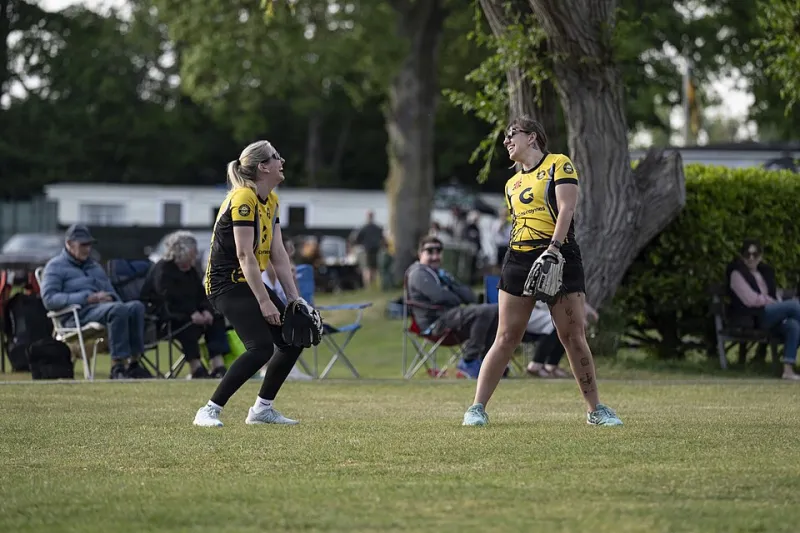
Photo: U.S. Air Force photo by Staff Sgt. Jason Cochran, Public domain, via Wikimedia Commons
In most American sports, ownership is a private affair. A billionaire buys a franchise, fans buy tickets, and the relationship ends at the turnstile. But a quiet counter-movement is gaining ground in gymnasiums, on municipal soccer fields, and in small-town stadiums from Vermont to Oregon: community-owned sports clubs, where the people who cheer are also the people who govern.
The Precedent Everyone Knows
The Green Bay Packers remain the most famous example. Since 1923, the franchise has been structured as a nonprofit, with more than 500,000 shares held by fans who elect a board of directors. Shares pay no dividends and cannot appreciate in value — by design. The arrangement exists for one reason: to keep professional football viable in a market of roughly 100,000 people.
For decades, the Packers were treated as a charming anomaly, a relic protected by an NFL grandfather clause. No longer. Community ownership has become a deliberate strategy for amateur and semi-professional clubs nationwide, adapted to fit structures the IRS and state charity regulators understand well.
How Small Clubs Are Doing It
Consider the proliferation of supporter-owned soccer clubs in the lower divisions of American soccer. Organizations in places like Detroit, Chattanooga, and dozens of smaller markets have adopted models that blend nonprofit incorporation with member voting rights. The mechanics vary, but the blueprint is consistent.
Step one: incorporation. Most clubs file as 501(c)(3) or 501(c)(7) nonprofits, depending on whether their mission is charitable (youth development, community recreation) or social (a members' club). This decision shapes everything downstream, from tax treatment to fundraising eligibility.
Step two: membership structure. Community-owned clubs typically sell annual memberships rather than equity shares. Members elect a board of directors, often five to nine people, with staggered terms to preserve institutional memory. Some clubs cap board service at two terms; others reserve seats for specific constituencies — coaches, volunteers, community partners.
Step three: governance documents. Articles of incorporation and bylaws define how decisions are made, what requires a member vote, and how disputes are resolved. Clubs that skip this step tend to regret it. A well-drafted conflict-of-interest policy, in particular, protects boards when a director's business sponsors the team or a relative coaches a squad.
The Compliance Reality
Community ownership does not exempt a club from the unglamorous machinery of league administration. Member-run clubs still must satisfy league eligibility rules, maintain insurance coverage, complete background screenings for coaches and volunteers, and file annual reports with their state's charity regulator.
Successful clubs assign these duties deliberately rather than hoping a volunteer will absorb them. A governance committee that meets quarterly — even informally — keeps filings current and prevents the slow drift that sinks many volunteer organizations. Treating compliance as a shared responsibility, documented in writing, is what separates durable clubs from those that collapse after a founding generation burns out.
Fundraising Without a Single Owner
Without a deep-pocketed proprietor, community clubs fund themselves through a portfolio approach: membership dues, local business sponsorships, concession revenue, and grants. Nonprofit status opens doors that private clubs cannot access, including municipal facility subsidies and foundation support for youth programming.
Transparency is the currency that sustains this model. Clubs that publish annual financial summaries and hold open budget meetings consistently report stronger member retention and easier sponsorship renewals. When the community is the owner, the community expects to see the books.
A Practical Path Forward
For communities weighing this route, the essentials are modest: a filing fee, a set of bylaws, a committed board, and patience. State nonprofit associations and local bar associations frequently offer pro bono assistance with incorporation. Leagues themselves are often supportive — a stable, member-governed club is a better long-term partner than one dependent on a single volunteer's goodwill.
The lesson from Green Bay, repeated in miniature across the country, is that ownership shapes commitment. When a team belongs to everyone, accountability is distributed — and so is the labor of keeping it alive. That, more than any trophy, is what community ownership buys.

