The Commissioner's Toolkit: Ten Essentials Worth Bookmarking Today

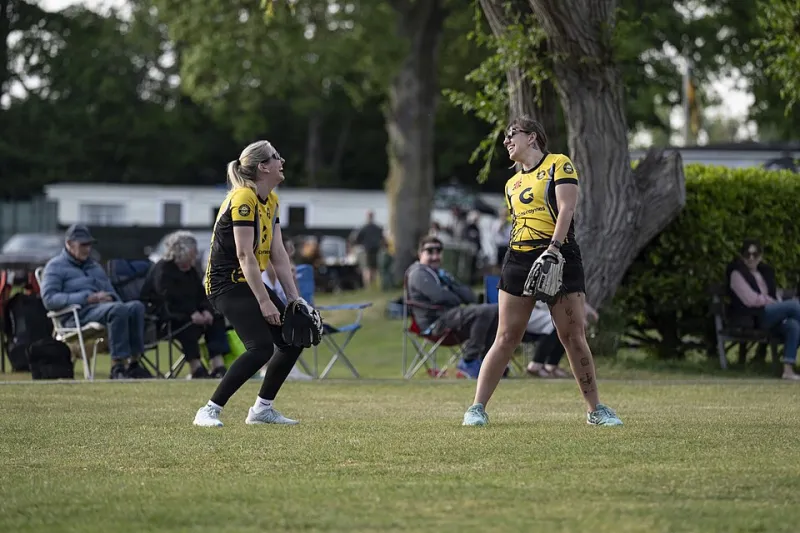
Photo by Photo by Babak Eshaghian on Unsplash on Unsplash
Ask any recreational league commissioner what the job actually involves and the answer is rarely about sports. It is about spreadsheets, certificates of insurance, and a phone that rings in February because someone's child was placed on the wrong roster. The role is essential and chronically under-resourced, which is why we have assembled this working list of tools that solve real problems at prices volunteers can justify.
1. National Governing Body Insurance Programs
Organizations such as the Amateur Softball Association, USSSA, and American Youth Soccer Organization offer bundled liability and accident insurance through league registration. Costs typically run $5–$20 per participant per season. Why it matters: a single uninsured injury claim can end a league. Verify your certificate names the municipality as an additional insured — most parks departments require it.
2. Background Screening Services
Providers like the National Center for Safety Initiatives and JDP handle coach and volunteer screenings, usually $15–$25 per check, often with multi-year clearances. Every league that puts adults in contact with minors needs a documented screening policy. It is the single most important line item in your budget.
3. League Management Platforms
Tools such as TeamSnap for Business, LeagueApps, and Demosphere consolidate registration, scheduling, rosters, and communications. Pricing generally ranges from free basic tiers to several dollars per player annually. The time savings for a volunteer commissioner are substantial — one platform can replace a dozen disparate spreadsheets.
4. Field and Facility Booking Systems
Many municipalities now use reservation portals like CivicRec or MyRec for field permits. Where none exists, a shared calendar with a written allocation policy prevents the perennial dispute over prime-time slots. Cost: often free through your parks department; the policy costs nothing but a meeting.
5. Rulebook Templates
Rather than drafting rules from scratch, commissioners can adapt published templates from national governing bodies — USA Softball, US Youth Soccer, and USA Volleyball all publish modified rules for recreational play. Free to download, and adapting an established framework reduces arguments about interpretations mid-season.
6. State Nonprofit Filing Resources
If your league incorporates as a nonprofit, your secretary of state's website provides articles of incorporation forms, and the IRS site walks through 501(c)(3) and 501(c)(7) applications. Filing fees range from roughly $30 to $275 depending on the state and form. State nonprofit associations frequently offer free filing clinics.
7. Grant Databases
Programs like the DICK'S Sporting Goods Foundation's Sports Matter, Good Sports, and the Local Initiatives Support Corporation fund equipment and facility improvements for community leagues. Application costs nothing but time; awards routinely range from $1,000 to $25,000.
8. Weather and Lightning Policy Tools
Apps and services that track lightning strike proximity — some integrated into league management platforms — support a written severe-weather policy. Many are free. A 30-minute clear-the-field rule, consistently enforced, is the standard and protects both participants and the league's liability position.
9. Concussion and Safety Training
The CDC's HEADS UP program and the NFHS's free online courses provide certificates of completion for coaches. Free. Roughly all 50 states now have youth concussion laws; documented training is how leagues demonstrate compliance.
10. A Commissioner's Handbook — Yours
The final resource is one you create: a one-page document covering season calendar, key contacts, emergency procedures, refund policy, and escalation paths. Update it annually. When you eventually hand the role to a successor — and you should plan for that day — the handbook is the difference between continuity and collapse.
None of these tools is glamorous. Together, they are what makes a volunteer-run league function like an organization rather than a favor. Bookmark them; your future self, mid-season, will be grateful.