The Whistle Is Going Quiet: Why the Referee Shortage Is Community Sports' Defining Crisis

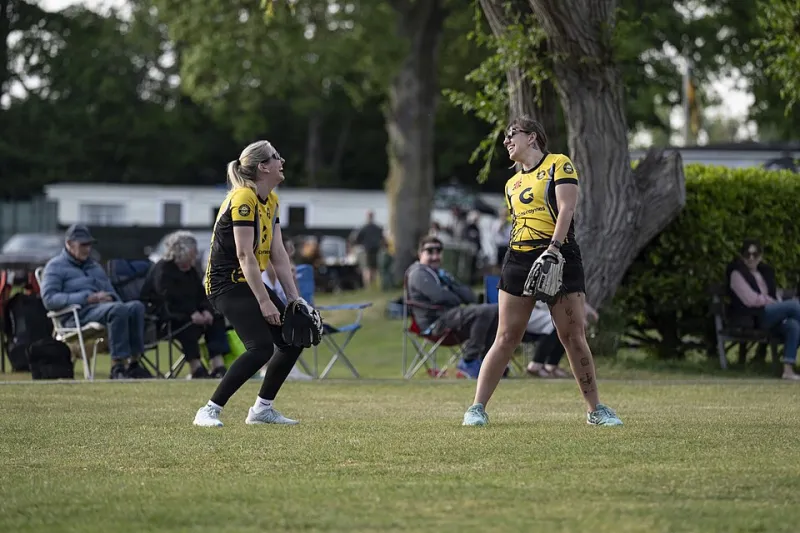
Photo by Photo by Jayden Skinner on Unsplash on Unsplash
There is a scene playing out on fields and in gymnasiums across this country every weekend: a game beginning with no official on the floor, or a parent pressed into service, or a coach officiating the opposing team's matches. These are not isolated anecdotes. They are symptoms of a shortage that state athletic associations, national governing bodies, and local leagues have been measuring for years — and the numbers should embarrass all of us.
A Shortage Measured, Not Imagined
The National Federation of State High School Associations has documented declines in registered officials across multiple sports, with some states reporting drops exceeding 20% over the past decade. Surveys by groups such as the National Association of Sports Officials consistently identify the same culprit: not the pay alone, not the travel, but the treatment. A majority of departing officials cite verbal abuse from spectators and, more disheartening, from adults coaching youth games, as a primary reason they quit.
The median tenure for a new youth official, in many sports, is measured in a couple of seasons. The pipeline is leaking from the bottom, and no amount of recruitment advertising can fill a bucket with a hole in it.
Why This Is a Governance Problem
It is tempting to frame the shortage as a human-resources issue — pay people more, recruit more aggressively. Both matter. But the deeper failure is one of governance. Every league that permits a parent to scream at a 17-year-old umpire without consequence has made a policy choice, whether or not its board ever voted on it. Every schedule that assigns a first-year official to a contentious game alone, without mentorship, is a structural decision.
Governance, at its core, is the set of rules and norms an organization enforces. On the question of official retention, most community sports organizations have enforced nothing at all.
Who Is Fighting Back — and Winning
The encouraging news is that the fix is known, and some organizations are implementing it.
Structured mentorship. Several state soccer and basketball associations now pair new officials with veteran evaluators for their first seasons, covering game fees while the newcomer learns under supervision. Retention among mentees substantially outpaces those thrown into the deep end.
Pay reform. A number of leagues have raised youth game fees by 25% or more in recent years, and some states have moved high school officiating rates upward in response to shortage data. Compensation will not solve abuse, but it signals respect.
Fan conduct policies with teeth. The most effective programs go beyond signage. Leagues adopting zero-tolerance policies — where team captains or coaches are formally responsible for spectator behavior, and games are suspended when abuse occurs — report meaningful improvements. Some state associations now require a signed spectator code of conduct at registration, enforceable through suspension of the offending party's child's team privileges. That last element is controversial, and it works.
Career pathways. State bodies that treat officiating as a credentialable profession — with certification levels, continuing education, and clear advancement — give young officials a reason to stay beyond the first ugly season.
The Argument, Stated Plainly
Here is the position this publication takes without reservation: protecting and retaining officials is the single most important governance issue facing community sports today. A league without officials is not a league. Every other priority — standings, sponsorships, facility upgrades — is downstream of having trained, treated-with-respect people on the field.
Boards should treat this with the seriousness they would apply to a financial crisis: adopt and enforce a spectator conduct policy this season, fund mentorship for every first-year official, and raise game fees to a level that reflects the work. Publish the numbers annually. Measure retention.
The whistle is going quiet in too many American gyms and ballfields. Restoring it is not a recruitment challenge. It is a matter of institutional will — and the organizations that have found that will are proving the crisis is solvable, one protected official at a time.